Circular Saw vs Chop Saw: Do You Need Both? (October 2026)
Choose a circular saw for portable cuts in wood and sheet goods, and a chop saw for repeatable cuts in metal stock. You need both only if your projects regularly call for both kinds of work.
On this page (8 sections)
- Circular Saw vs Chop Saw: Do You Need Both?
- Circular saw vs chop saw: what is each one for?
- Which saw is better for wood projects?
- When does a chop saw make more sense?
- Is a miter saw a better second saw for woodworkers?
- Do you need both a circular saw and a chop saw?
- How should you choose between the three saws?
- Which saw should you choose?
Circular Saw vs Chop Saw: Do You Need Both?
Choose a circular saw for portable cuts in wood and sheet goods, and a chop saw for repeatable cuts in metal stock. You only need both if your projects regularly include both jobs.
A circular saw moves across the workpiece, so it can cut boards and break down plywood without bringing the material to a fixed saw. A chop saw holds stock in a vise while its wheel comes down through it.
These tools do different work. The word “chop saw” can also refer to a miter saw, so check the blade and the material the tool is designed to cut before choosing.

Circular saw vs chop saw: what is each one for?
A circular saw is a handheld saw for guided cuts through wood; a metal chop saw is a fixed tool for cutting clamped metal stock. Their different setups explain why one rarely replaces the other.
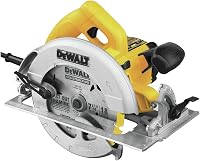
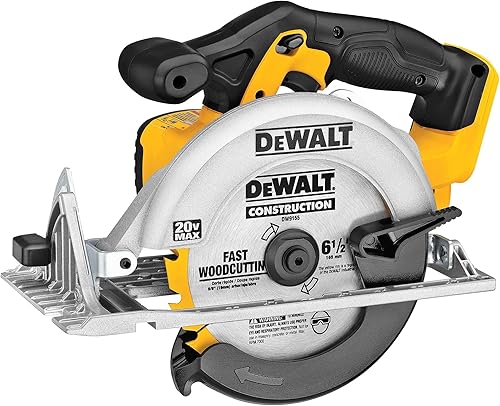
The DeWalt DCS391B is a cordless circular saw with a 6.5-inch blade and 0–50° bevel capacity. Its magnesium shoe and rubber overmolded grip are features aimed at control while guiding the saw through a cut.
The DeWalt D28730 is a corded 14-inch chop saw supplied with an abrasive wheel. Its Quick-Lock vise clamps different material sizes, and its fence pivots to 45° for angled cuts.
That makes the circular saw easier to bring to large panels or work in different locations. The chop saw gives you a clamped setup for stock that can be positioned against its fence.
What does “chop saw” mean here?
A chop saw often means a metal-cutting saw with an abrasive wheel, but some people use the term for a miter saw. Those are different tools with different blades and intended materials.
The D28730 is a metal-cutting chop saw. The Metabo HPT C10FCG2 is a compound miter saw with a 10-inch carbide blade for woodworking, a 0–52° miter range and a left bevel range up to 45°.
Don't assume a saw is suitable for a material based on its name alone. Check the wheel or blade type and the tool maker's instructions.
Which saw is better for wood projects?
A circular saw suits long, portable cuts in boards and sheet goods; a miter saw suits repeated crosscuts and angled trim cuts. A metal chop saw is not the right stand-in for either wood tool.
For plywood, the handheld saw can move along a straightedge or guide. The guide helps keep a long cut on line, while the sheet stays supported on a stable surface.
Read how to cut plywood with a circular saw for setup and cut guidance. If you need to make a board narrower along its length, see how to rip a board with a circular saw.
The circular saw's bevel capacity can help when a cut needs an angle through the board's thickness. For repeatable end cuts on trim, a miter saw's table, fence and angle adjustment offer a more direct setup.
The Metabo HPT C10FCG2 fits that second role. Its table gives material support, its vice clamps the workpiece and its miter scale and controls are designed for angle adjustments.
When does a chop saw make more sense?
Choose a metal chop saw when you regularly cut metal stock to length and want to clamp the work for each cut. Its vise and pivoting fence fit that job better than a handheld wood saw.
The D28730 has a 14-inch abrasive wheel, a Quick-Lock vise and a fence that pivots to 45°. It is corded electric, so plan a suitable work area and power connection.
A chop saw is useful for repeated cuts on material that fits its vise and cutting capacity. Follow the tool instructions for the materials and dimensions it can handle, and secure the work before cutting.
It is a poor fit if your main jobs are plywood breakdown, ripping boards or cutting wood trim. The wheel and workholding setup are meant for metal, not general woodworking.
For a broader look at which jobs suit each tool, compare this guide with circular saw vs reciprocating saw. The reciprocating saw has a different role again, especially for rough cuts and demolition.
Is a miter saw a better second saw for woodworkers?
For wood projects, a miter saw is often a more useful partner to a circular saw than a metal chop saw. The two woodworking tools cover different cut directions and workpiece sizes.
Use the circular saw for breaking down sheet goods and making longer cuts in boards. Use a miter saw for repeated crosscuts, trim and angled ends when the material fits its table.
The Metabo HPT C10FCG2 is a corded, single-bevel compound miter saw. It has a 10-inch carbide blade, miter settings from 0–52° left and right, and bevel adjustment from 0–45° to the left.
Its 24.2-pound weight makes it easier to move than many larger stationary tools, though it still needs a stable support surface and room for the workpiece. Check the manual for capacity and safe setup.
If you are comparing circular saw formats for woodworking, circular saws explained covers the basic types and common uses. It can help you decide whether a handheld saw belongs in your tool set.
Do you need both a circular saw and a chop saw?
Buy both only if you often switch between portable wood cuts and clamped metal cuts. Otherwise, choose the tool that matches the material and cut you do most.
A homeowner building shelves, cutting plywood and trimming boards can usually start with a circular saw. Add a miter saw if repeated, square or angled wood crosscuts become common.
A metalworker or fabricator who cuts stock to length may get more use from a chop saw. A circular saw can still make sense if the same projects also include wood panels or framing lumber.
You can also delay the second purchase until a real task calls for it. Renting or borrowing a less-used tool can help you learn how often it would earn space in your workshop.
How should you choose between the three saws?
Match the saw to the material, cut direction and workholding you need. Portability matters, but it can't make an unsuitable blade safe for the material.
| Your regular task | Better fit | Why |
|---|---|---|
| Cutting plywood or long boards | Circular saw | The saw moves across supported material |
| Cutting metal stock to length | Metal chop saw | A vise holds the stock during the cut |
| Repeating angled cuts in wood trim | Compound miter saw | The table and angle controls support repeatable cuts |
Before buying, check the blade or wheel type, the supported material, cut capacity and safety instructions. Also consider whether you have space for a fixed cutting station or need a tool that can travel to the work.
If you are still learning circular saw basics, how to use a circular saw for beginners covers safe setup and control. Use the manual for the exact saw and blade, and wear the protective gear it calls for.
Which saw should you choose?
Choose the circular saw for portable wood cuts, the chop saw for clamped metal stock, and the miter saw for repeated angled wood cuts. Add a second tool when your regular projects show a clear need for its different setup.
If you mostly work with wood, start with the circular saw and consider a miter saw for frequent trim and crosscuts. If you regularly cut metal stock, choose a suitable metal chop saw and keep its work area set up safely.
Frequently asked questions
Can a circular saw cut metal?
A circular saw can cut some metal when fitted with a blade made for that material, but the DeWalt DCS391B is described as a wood-cutting saw. For repeated cuts in metal stock, choose a metal-cutting tool with suitable clamping, and follow the tool and blade instructions.
Is a chop saw the same as a miter saw?
No. A metal chop saw uses an abrasive wheel and vise to cut metal stock, while a miter saw uses a toothed blade and table for wood cuts across boards and trim.
The names can be used loosely, so check the tool's intended material and blade.
Do I need both a circular saw and a chop saw?
You need both when your work includes portable wood cuts in boards or sheet goods and frequent, repeatable cuts in metal stock. If you mostly build with wood, a circular saw plus a miter saw may cover more tasks than a metal chop saw.
Which saw is easier to move around?
A handheld circular saw is easier to carry around a project because it doesn't need a fixed table or vise setup. The DCS391B is battery powered, though its battery and charger are sold separately.
A chop saw is better suited to a set cutting station.
What should I buy first for home projects?
Start with the material and cut you make most often. A circular saw is the more flexible first choice for wood boards and sheet goods; choose a chop saw first if your regular work is cutting metal stock to length.