How to Use a Circular Saw for Beginners
To use a circular saw safely, secure the work, set the blade just below the material, align the shoe, and let the saw reach full speed before cutting. Keep both hands clear of the blade path and wait for the blade to stop before setting the saw down.
On this page (8 sections)
- What should beginners do before using a circular saw?
- How do you set the blade depth?
- How do you line up a circular saw cut?
- How do you start and guide the saw?
- What should you do if the saw binds or kicks back?
- Which circular saw suits a beginner's setup?
- How do you cut plywood with a circular saw?
- What should you check after the cut?
To use a circular saw safely, secure the work, set the blade just below the material, align the shoe, and let the saw reach full speed before cutting. Keep your hands out of the blade path, guide the saw without twisting it, and wait for the blade to stop before setting it down.
A circular saw can make straight crosscuts and long rip cuts in boards and sheet goods. The basics are the same for corded and cordless models, but your saw's manual sets the rules for setup and operation.
What should beginners do before using a circular saw?
Read the manual, wear eye and hearing protection, and secure the material before switching on the saw. Unplug a corded saw or remove the battery before adjusting it or changing the blade.
Check that the blade is suitable for the material and is in good condition. Make sure the lower guard moves freely and returns to cover the blade; don't use a saw with a damaged guard.
Set the work on stable supports, with the cut line clear of the bench or ground. Arrange the supports so the offcut won't sag and pinch the blade as the cut finishes.
Plan where the cord or battery will sit throughout the cut. Keep it behind and away from the saw's path, and remove clutter that could trip you or shift the work.
For a first project, choose a stable board and a simple cut. Our guide to what size circular saw you need explains how saw size relates to the material you plan to cut.
How do you set the blade depth?
Set the blade so its teeth extend just below the bottom face of the material. Unplug the saw or remove its battery before changing the depth, and follow the manual's adjustment steps.
A blade set too deep exposes more of its teeth beneath the work. A blade set too shallow may not cut through, so check the setting against the material before you start.
After setting the depth, make sure the shoe sits flat on the workpiece. Keep the lower guard free to move as the saw advances.
How do you line up a circular saw cut?
Mark the cut line and align the blade with the waste side of that mark. The blade removes a narrow strip of material, so cutting directly down the center can leave the finished piece too short.
Use the saw's guide marks as a starting point, then confirm their position with a test cut on scrap. Keep the saw shoe flat and move the tool steadily along the planned path.
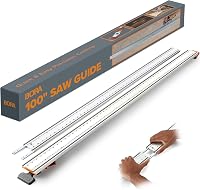
For longer cuts, clamp a straight guide to the material and run the shoe against it. The guide to making a circular saw cutting guide covers a simple way to help keep the saw on track.
Check that your saw can clamp securely in the guide's sled before using it. Kreg says the Rip-Cut isn't designed for worm drive saws or saws whose guards prevent a flat, secure fit.
How do you start and guide the saw?
Hold the saw firmly, keep the shoe flat, and let the blade reach full speed before moving into the material. Stand in a balanced position with your body out of the direct path of the saw.
Start with the blade clear of the work and the guard able to move freely. Follow the saw's instructions for its handle and trigger, and keep both hands on the intended grip areas.
Advance at a steady pace without forcing the saw. If the motor slows or the blade binds, release the trigger and let the blade stop before you investigate.
Keep the saw aligned with the cut line. Twisting the tool can bind the blade and increase kickback risk.
How do you use a circular saw for beginners making a crosscut?
Support the board on both sides of the cut while leaving the blade path clear. Mark the line square across the board, then guide the saw across it without letting the offcut pinch the blade.
Keep the offcut from falling in a way that pulls the workpiece or catches the blade. Don't hold a small offcut near the blade as you finish.
Let the saw come to a full stop before lifting it away. Check the cut only after the blade has stopped moving.
How do you use a circular saw for beginners making a rip cut?
A rip cut follows the length of a board, so use a straight guide and support the board along its length. Keep the offcut free to separate without bending into the blade.
For a first long cut, clamp the guide and make sure it can't shift. Our walkthrough on how to rip a board with a circular saw explains setup and support in more detail.
What should you do if the saw binds or kicks back?
Release the trigger and hold the saw steady if the blade binds; wait for it to stop before removing it from the cut. Don't pull a moving blade backward through the kerf or try to restart while it is trapped.
Binding can occur when the workpiece shifts or the cut closes around the blade. Recheck the supports, the guide, and the cut path before trying again.
If the saw kicks back, keep your grip and let the trigger go. Don't reach toward the blade or try to catch the tool; wait until everything stops, then inspect the setup and saw.
Stop using the saw if the guard sticks, the blade is damaged, or the tool behaves unexpectedly. Check the manual or contact the manufacturer for guidance before using it again.
Which circular saw suits a beginner's setup?
Choose a saw that fits your material, power needs, and comfort with corded or cordless tools. A guide can help with straight cuts, but it doesn't replace a stable workpiece or safe handling.
The DeWalt DCS391B is a cordless option with a 6.5 in blade, a magnesium shoe, and a stated 0–50° bevel capacity. Its battery and charger are sold separately.
The Skil 5280-01 is a corded saw with a 15 amp motor, a 7-1/4 in blade, and a 51° bevel capacity. It includes a guarded trigger and power-on indicator.
Pick cordless if moving around the work area matters and you have a compatible battery. Pick corded if you prefer a plug-in tool and can keep its cord clear of the cut.
How do you cut plywood with a circular saw?
Support the plywood so the cut line stays open and the sheet cannot sag. Mark the line, clamp a guide if needed, and use a blade suited to the material and finish you want.
Large sheets can be awkward to control alone. Arrange stable supports before lifting the panel into position, and ask for help handling it if needed.
See our guide to cutting plywood with a circular saw for setup tips. Practice on scrap when you are learning a new saw or guide.
What should you check after the cut?
Wait until the blade stops, then set the saw down on a stable surface. Disconnect power before clearing debris or making adjustments.
Check that the cut is complete and the workpiece stayed stable. Brush away dust only when the blade has stopped and the saw is safe to handle.
For bevel cuts, depth limits, and other basic uses, see circular saws explained. Choose a guide when a long straight cut needs extra help, and choose a saw that suits your material and power setup.
Frequently asked questions
What is the first thing to do before using a circular saw?
Read the saw's manual, wear eye and hearing protection, and check that the blade is fitted and undamaged. Secure the workpiece on stable supports, clear the cut path, and set the blade depth just below the material.
Keep the cord or battery away from the blade path.
How deep should a circular saw blade be set?
Set the blade so its teeth extend just below the underside of the material, following the saw manual's instructions. A shallow setting limits exposed blade while still allowing the cut.
Unplug the saw or remove its battery before adjusting the depth.
How do you keep a circular saw cut straight?
Mark the cut line and guide the saw shoe along a straightedge or a compatible guide. Clamp the guide and workpiece so neither can shift, and account for the distance between the blade and the shoe edge.
Practice on scrap before cutting the final piece.
What causes circular saw kickback?
Kickback can happen when the blade binds or the cut closes around it, pushing the saw back toward the user. Support the material so the offcut can fall away without pinching the blade, keep a firm grip, and don't twist the saw during a cut.