What Size Circular Saw Do I Need?
For most home projects, a 7-1/4 in circular saw is a versatile starting point. Choose a smaller blade for lighter, thinner work, or a larger saw when its extra cutting depth fits your material and workload.
On this page (8 sections)
- What size circular saw do I need for common projects?
- Is a 7-1/4 in circular saw the best all-around size?
- Is a 6-1/2 in circular saw enough for DIY work?
- When does a compact 4-1/2 in saw make sense?
- Should I choose a larger 8-1/4 in saw?
- How does blade size affect bevel cuts?
- What else should I consider besides blade diameter?
- How do you choose the right circular saw size?
For most home projects, a 7-1/4 in circular saw is a versatile starting point. Choose a smaller blade for lighter, thinner work, or a larger saw when its extra cutting depth fits your material and workload.
The right size depends on the thickness you cut, whether you need bevels, and how often you carry the saw. Blade diameter is a useful first clue, but the saw's actual cut depth at the angle you need matters more.
What size circular saw do I need for common projects?
A 7-1/4 in saw suits many general-purpose jobs, while a 6-1/2 in model can cover plenty of DIY work with a more compact format. A 4-1/2 in saw trades depth for a small blade, and an 8-1/4 in model targets heavier tasks.
Use the material as your guide. Measure its thickness, check the saw's maximum depth at 90°, then check again at the bevel angle you plan to use.
A cut that works straight through a board may not work at 45°. The blade meets the material at a slant, so the available depth is lower.
If you're new to this tool, our plain guide to circular saws explains the basic parts and common uses. For a quick look at capacity, read how deep a circular saw can cut.
Is a 7-1/4 in circular saw the best all-around size?
A 7-1/4 in saw is a practical all-around pick if you cut framing lumber, plywood, or other common building materials. Its blade size offers a useful mix of depth and availability across many types of saws.
Don't choose by blade size alone. Compare the stated depth of cut, bevel range, power source, weight, and how the saw feels to control.
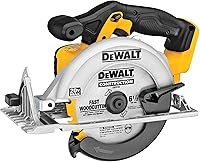
The DeWalt DCS590B uses a 7-1/4 in blade and lists a maximum depth of 2-9/16 in at 90° and 2 in at 45°. Its battery and charger are sold separately.
This size makes sense if you want one saw for several kinds of cuts and its depth covers your usual stock. If you mostly trim thinner pieces or prioritize a compact tool, compare smaller options first.
Is a 6-1/2 in circular saw enough for DIY work?
A 6-1/2 in saw is enough when its depth covers the boards and sheet goods you plan to cut. It can also be a good fit if you value a compact, lightweight design for home projects.
The DeWalt DCS565B is a 6-1/2 in cordless saw with a stated maximum depth of 2-1/8 in at 90°. It has a maximum bevel of 50°, along with tool-free depth and bevel adjustments.
A smaller blade doesn't automatically mean less useful. It means you should check the exact capacity against your materials, especially for thicker stock or angled cuts.
For long sheet cuts, a guide can help keep the saw on line. See how to make a circular saw guide for straight cuts.
How do I check whether a 6-1/2 in saw has enough depth?
Compare the saw's maximum depth at the angle you'll use with the full thickness of the material. Allow for the base plate sitting flat and the blade extending enough to clear the underside.
If one pass won't reach through, don't assume a second pass will be easy or accurate. Consider a saw with more capacity, a different cutting method, or a guide that helps align a careful two-pass cut.
When does a compact 4-1/2 in saw make sense?
A compact 4-1/2 in saw makes sense when portability and access matter more than deep cuts. It can be useful for lighter jobs and quick cuts in thinner material, provided its stated capacity covers the task.
The DeWalt ATOMIC DCS571B is a 4-1/2 in cordless saw. Its bevel gear design allows cuts in 2x material at 90° and 1x material at 45°.
That capacity is model-specific, so don't assume every 4-1/2 in saw can do the same. Check the depth and angle for the exact saw you're considering.
The DCS571B also has a removable auxiliary handle, an onboard dust port, and an electronic blade brake. Those details may matter if you want a small cordless saw for several kinds of cuts.
Choose a larger size if you regularly cut thick stock or need more depth in one pass. Our guide to cutting a 4x4 with a circular saw explains the limits and options for that material.
Should I choose a larger 8-1/4 in saw?
Choose an 8-1/4 in saw when its extra blade size and cutting range fit demanding work. A larger saw can feel like more tool than you need for occasional, light cuts, so consider its weight and handling too.
The Skilsaw SPT78W-01 is an 8-1/4 in worm drive saw with a 15 amp motor and bevel capacity up to 60°. It weighs 18.5 lb, making it a substantial option to handle and carry.
This saw may suit work where a corded tool and broad bevel range are useful. It may be a poor match if you need a lightweight saw for quick cuts around the house.
A larger blade doesn't guarantee a better cut. The blade, saw setup, material support, and control all play a part.
How does blade size affect bevel cuts?
Bevel cuts reduce usable depth, so check the saw's capacity at the exact angle before you commit to a size. A saw that clears a thick board at 90° may not clear it when tilted.
Look for depth figures at both 90° and the bevel angle you need. If the maker gives a bevel range but no depth figure for your angle, check the manual or ask the manufacturer before relying on that cut.
For a clean bevel, set the depth and angle with the saw unplugged or the battery removed. Support the work so the offcut cannot bind the blade.
Can a smaller circular saw handle a 2x4?
A smaller saw can cut a 2x4 only if its design and stated capacity allow it. The DeWalt ATOMIC DCS571B is one example with a bevel gear design for 2x material at 90°.
Other saws with the same blade diameter may have different capacities. Confirm the model's depth before choosing it for framing cuts.
What else should I consider besides blade diameter?
Consider cut depth, power source, weight, bevel capacity, and control alongside blade size. These factors help you choose a saw that fits your materials and the way you work.
A cordless saw can be convenient when you need to move around or work away from an outlet. Battery and charger availability may affect the total setup, and some tools are sold without them.
A corded saw avoids battery swaps during a long session but keeps you near an outlet and requires cord management. Think about where you make most of your cuts before deciding.
Weight matters if you carry the saw between rooms or hold it through many cuts. A larger saw may offer more capacity, but a smaller one can be easier to position for short, light jobs.
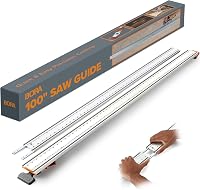
For straight, repeatable cuts in sheet goods, a rail system may help more than moving up in blade size. Learn what a track saw is and who needs one before deciding whether a standard circular saw and guide will meet your needs.
How do you choose the right circular saw size?
To decide what size circular saw you need, start with your thickest regular cut, then check the depth at 90° and at your usual bevel angle. Pick the smallest saw that safely covers those tasks and feels manageable for your work.
Choose a 7-1/4 in saw for broad general use, a 6-1/2 in saw for many DIY jobs with a compact format, or a 4-1/2 in saw for lighter cuts where its specific capacity is enough. Consider an 8-1/4 in model when its added capacity and features justify the size and weight.
Before cutting, set the blade depth, support the work, and keep hands clear of the cut path. If you want to practice the basics, follow our first-timer's walkthrough for using a circular saw.
Frequently asked questions
What size circular saw is best for most people?
A 7-1/4 in saw is a versatile choice for many home projects because that blade size is common and can handle a range of framing and sheet-goods cuts. Check the saw's listed depth at 90° and at your needed bevel angle, then compare those limits with the material you cut most.
Is a 6-1/2 in circular saw big enough?
A 6-1/2 in saw can be enough for many DIY cuts in boards and sheet goods, as long as its maximum depth covers the material in one pass. For example, the DeWalt DCS565B has a maximum depth of 2-1/8 in at 90°.
Check bevel depth separately.
Can a 4-1/2 in circular saw cut a 2x4?
Some compact 4-1/2 in saws are designed to cut 2x material at 90°. The DeWalt ATOMIC DCS571B has a bevel gear design for that cut, but capacity can vary by saw, angle, and material.
Check the model's specified depth before buying.
Do I need an 8-1/4 in circular saw?
An 8-1/4 in saw can suit demanding work where extra blade size, bevel range, or a worm drive design is useful. It can also be heavier and less convenient for simple home cuts.
Compare its depth, weight, power source, and handling with your regular tasks.