Milwaukee M18 Circular Saw 6 1/2 vs 7 1/4: Which Size? (November 2026)
The 7-1/4 inch M18 is the better saw for most buyers. It cuts deeper in one pass and runs a faster motor, while the 6-1/2 inch 2630-20 is the lighter, handier pick for trim and quick cuts.
On this page (6 sections)
The 7-1/4 inch M18 Brushless is the better saw for most buyers. It cuts deeper in a single pass and runs a faster motor, so it handles framing and full sheets without a second cut.
The 6-1/2 inch 2630-20 earns its place in trim and light work, where a smaller blade is easier to guide.
This Milwaukee M18 circular saw 6 1/2 vs 7 1/4 comparison looks past the blade number. Depth, motor speed, guards and the way each saw feels in your hand decide which one earns a spot in your kit.
Both are bare M18 tools. Neither ships with a battery or charger, so the cost and runtime of the saw depend on the M18 packs you already own.
 Best for framing and deep cuts
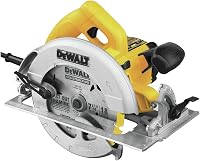
Milwaukee M18 Brushless 7-1/4 Inch Circular Saw
 Best for trim and one-handed work
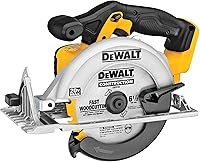
Milwaukee M18 2630-20 6-1/2 Inch Circular Saw
Milwaukee M18 6-1/2 vs 7-1/4: which should you buy?
Buy the 7-1/4 inch saw for framing and sheet goods; buy the 6-1/2 inch saw for trim and light cuts. The 7-1/4 inch model wins for most buyers because its bigger blade and faster motor cover more jobs.
The smaller 2630-20 still earns a place in a kit built around trim, plumbing and electrical work. It trades cut depth for a blade that's easier to manage on short, accurate cuts.
Here is how the two saws line up on the facts that decide the choice.
| Product | Best for | Blade size | Speed | Weight | Our score |
|---|---|---|---|---|---|
| Milwaukee M18 Brushless 7-1/4 Inch Circular Saw | framing and deep cuts | 7-1/4 in | 5,000 RPM | 7.2 lb | 8.4 |
| Milwaukee M18 2630-20 6-1/2 Inch Circular Saw | trim and one-handed work | 6-1/2 in | 3,500 RPM | 7.3 lb | 8.2 |
The blade size sets how deep each saw cuts
The 7-1/4 inch blade cuts deeper than the 6-1/2 inch blade in a single pass. That depth gap matters most on thick lumber, bevels and stacked sheet goods.
Blade size decides the saw's maximum cut depth. A larger blade reaches further below the shoe, so the 7-1/4 inch saw finishes more cuts without flipping the workpiece.
The Milwaukee spec sheets for this size class put the 7-1/4 inch saw at about 2-1/2 inches deep at 90 degrees and roughly 1-7/8 inches at 45 degrees. The 6-1/2 inch model sits lower, near 2-1/4 inches at 90 and about 1-5/8 inches at 45.
Those numbers are close, but the gap shows up at the edges. A 2x4 finishes in one pass on either saw.
A thicker beam or a deep bevel leaves the smaller blade short.
Both saws carry a 24-tooth blade and a 90-degree cutting angle in the Milwaukee listings. The blade material listed for both is high speed steel.
That shared blade setup means the depth difference comes from blade diameter, not from the cut geometry or the tooth count.
Where the depth gap shows up on a job
Framing lumber and decking boards sit well within the reach of either saw. The difference appears when you cut posts, stair stringers or full-depth notches.
A 45-degree bevel eats depth faster than a square cut. The 6-1/2 inch saw loses more reach when you tilt the shoe, so a steep bevel on thick stock can need a second pass.
Sheet goods like plywood and OSB are thin enough for both saws. Cross-cutting a 4x4 or a laminated beam is where the 7-1/4 inch blade pulls ahead, though even it needs two passes on a full 4x4.
Our comparison of the DeWalt DCS565 vs Milwaukee 2833 circular shows how blade size plays out in another cordless matchup if you're weighing brands.
Motor speed and guards separate the two saws
The 7-1/4 inch saw spins at 5,000 RPM; the 6-1/2 inch 2630-20 runs at 3,500 RPM. The faster motor keeps the larger blade moving through dense material.
RPM describes how fast the blade turns with no load. A higher number helps the saw maintain speed in thick or wet lumber, where a slower blade can bog down and burn the cut edge.
Both saws are listed as brushless. That matters because a brushless motor runs cooler and draws less from the pack than a brushed one, so each saw gets more cuts per charge than an older brushed design would allow.
The brushless build is the reason the 7-1/4 inch saw can spin a bigger blade at 5,000 RPM without feeling strained.
The Milwaukee 7-1/4 inch model pairs its 5,000 RPM brushless motor with magnesium upper and lower guards. Magnesium keeps the guards light while resisting the knocks a jobsite saw takes.
The 2630-20 also uses magnesium upper and lower guards. Its 3,500 RPM motor suits the lighter cuts this saw is built for, and the aircraft aluminum shoe keeps the base light and flat for accurate rips.
What the guards and shoe mean in use
The guards protect the blade and the saw body from drops. Magnesium is the material both saws share here, so the guard story is similar across the pair.
The shoe is where they differ in feel. The 2630-20 uses an aircraft aluminum shoe, which the maker ties to lightweight durability and precise rip cuts.
An aluminum shoe stays flat and slides over a guide rail or straightedge without the drag that a heavier steel base can add.
The 7-1/4 inch saw adds an electric brake to stop the blade after you release the trigger. That brake is a real safety feature when you set the saw down between cuts.
On a long framing run the blade is spinning fast, so a saw that stops quickly is easier to live with when you're moving from one cut to the next.
It also carries an integrated rafter hook and a dust port on the guard. The rafter hook lets you hang the saw within reach, and the dust port gives you a place to connect extraction.
The rafter hook is handy on roof framing, where you need both hands free to move a sheet into place. The dust port is less important in open framing but helps in a shop or a finished space where dust control matters.
The 6-1/2 inch 2630-20 lists no electric brake, rafter hook or dust port in its Milwaukee spec sheet. Its feature set stays focused on the basics: a durable guard, a flat shoe and a comfortable grip.
That simpler build is part of why it suits finish and service work rather than rough framing.
Weight and handling decide which saw you reach for
The 6-1/2 inch 2630-20 weighs 7.3 pounds and the 7-1/4 inch saw weighs 7.2 pounds. The scales nearly match, so handling comes down to blade size and balance.
That small weight gap is easy to miss on paper. In the hand, a smaller blade changes how the saw feels when you make short, controlled cuts.
The two saws also differ in bulk. The 6-1/2 inch 2630-20 measures about 12.25 by 8.5 by 8 inches.
The 7-1/4 inch saw measures about 13 by 11 by 7 inches. The bigger saw takes up more room in a tool bag and on a crowded bench, and its longer footprint makes it a little more awkward to set down in a tight space.
The 2630-20 has a soft-grip handle designed for comfort and control. Its compact blade suits overhead work, trim cuts and one-handed guiding on short stock.
The 7-1/4 inch saw has a rubber handle. It's a longer, heavier-feeling tool when you hold it out at arm's length, even though the bare weights are close.
The rubber grip is comfortable enough for long runs, but the saw's size is what you notice when you guide it along a line one-handed.
Who feels the difference most
Trim carpenters and finish crews make many short cuts at odd angles. The 6-1/2 inch saw's smaller blade is easier to place and easier to stop at a pencil line.
Its compact body fits between studs and in corners where a longer saw is clumsy.
Framers and deck builders cut long runs of the same material. The 7-1/4 inch saw's extra depth saves a pass, and the 5,000 RPM motor keeps up through repeated cuts.
The rafter hook and electric brake also matter more when you're working up high and moving fast.
If you work overhead or in tight spots, the compact 2630-20 is the friendlier tool. If you cut thick stock all day, the bigger saw's depth and speed pay off.
For a trim kit that already has a miter saw, the smaller blade fills the gap for rough cross-cuts before the finish cut, while the bigger blade handles the material the miter saw can't take.
Which saw fits your work and your M18 kit?
Pick the 7-1/4 inch saw for framing, decks and sheet goods; pick the 6-1/2 inch saw for trim and light cuts. Your M18 batteries and the jobs you do most should drive the choice.
Both saws run on the same Milwaukee M18 18-volt lithium-ion packs. The 7-1/4 inch model draws more from each battery because of its faster motor, so runtime on heavy cuts will be shorter.
If you already own M18 packs from other tools, either saw slots into your kit without a new battery platform.
Buy the 7-1/4 inch saw if you frame or build decks
The Milwaukee M18 Brushless 7-1/4 Inch Circular Saw is the better fit for framers, deck builders and anyone cutting plywood, OSB and thick lumber. Its deeper blade and 5,000 RPM motor do more work in one pass.
The rafter hook, electric brake and dust port round it out as a jobsite saw. If you already own M18 batteries, this is the size to build your kit around.
Buy the 6-1/2 inch 2630-20 if you do trim or light work
The Milwaukee M18 2630-20 6-1/2 Inch Circular Saw suits trim carpenters, plumbers and electricians who make quick, accurate cuts. The smaller blade is easier to place and control.
Its aircraft aluminum shoe helps with accurate rip cuts, and the soft-grip handle keeps long trim sessions comfortable. The trade-off is depth on thick stock and bevels.
Milwaukee lists a limited warranty for this saw, which is worth checking against the brushless model's coverage before you commit.
How the two saws fit with other cutting tools
A circular saw handles straight cuts in lumber and sheet goods. A reciprocating saw takes over where the cut is hidden, curved or in a tight spot, so many kits carry both.
Our guide on circular saw vs reciprocating saw explains which tool to grab for each job. If you're also weighing a corded saw for heavy shop use, read corded vs cordless circular saw before you buy.
Brand choice matters too. Our DeWalt vs Milwaukee circular saw comparison covers how the two lines differ on features and fit for different buyers.
The verdict: the 7-1/4 inch M18 is the better buy for most readers
The Milwaukee M18 Brushless 7-1/4 Inch Circular Saw wins this comparison for most buyers. Its deeper blade and 5,000 RPM motor cover framing, decking and sheet goods that the 6-1/2 inch saw struggles to finish in one pass.
The 6-1/2 inch 2630-20 is still the right saw for a specific buyer. If your work is trim, plumbing or electrical cuts, the smaller blade and its lighter feel are easier to control.
The flat aluminum shoe and soft-grip handle make it a comfortable saw to run all day on finish work.
So the Milwaukee M18 circular saw 6 1/2 vs 7 1/4 decision lands like this. Pick the 7-1/4 inch Brushless if you cut thick lumber and full sheets, and pick the 6-1/2 inch 2630-20 if trim and light cuts fill your day.
Either way you stay on the M18 battery platform, so the saw you choose plugs into the packs you already own.
Frequently asked questions
Is a 6-1/2 inch circular saw big enough for 2x4 lumber?
Yes. A 6-1/2 inch blade cuts through a 2x4 at 90 degrees, so the 2630-20 handles framing lumber and decking boards.
You only run short of depth on thicker stock, steep bevels or full-depth cuts.
What is the main difference between the Milwaukee M18 6-1/2 and 7-1/4 circular saws?
The 7-1/4 inch saw takes a larger blade and runs at 5,000 RPM, while the 6-1/2 inch model runs at 3,500 RPM. The bigger blade gives deeper cuts and the faster motor powers through thicker material; the smaller saw is easier to handle.
Can the 6-1/2 inch M18 saw cut through a 4x4?
Not in one pass. A 6-1/2 inch blade cannot reach through a 4x4 at 90 degrees, so you would need to flip the timber and cut from the other side.
The 7-1/4 inch saw gets closer but also needs two passes on a full 4x4.
Do both saws use the same M18 battery?
Yes. Both are bare M18 tools that run on the Milwaukee M18 18-volt lithium-ion battery line.
The 7-1/4 inch saw draws more power from the same pack because of its faster 5,000 RPM motor, so expect shorter runtime on heavy cuts.
Which M18 circular saw is better for a DIYer?
The 7-1/4 inch Brushless is the better all-round DIY saw because its deeper blade handles sheet goods and thick lumber. Pick the 6-1/2 inch 2630-20 instead if most of your work is trim, pipe and quick cuts where a smaller blade is easier to control.