DeWalt vs Milwaukee Circular Saw: Which Brand Fits You? (October 2026)
Choose the DeWalt DCS590B for a 7-1/4 in blade and published cut-depth figures, or Milwaukee for its rafter hook, dust port, and LED. Your existing battery platform may matter most.
On this page (6 sections)
Choose the DeWalt DCS590B for a 7-1/4 in blade and stated cut depths, or Milwaukee for its rafter hook, dust port, and LED light. If you already own batteries from either brand, that platform may make the decision easier.
The DCS590B and Milwaukee M18 Brushless are both 7-1/4 in cordless saws with brushless motors and electric brakes. The DeWalt DCS391B is a smaller 6-1/2 in alternative with a 0–50° bevel capacity.
Which circular saw is the better fit?
The DCS590B stands out for its published cut-depth figures; the Milwaukee adds jobsite features for M18 users. The DCS391B offers a smaller blade and a stated bevel range.
 Best for published cut depth
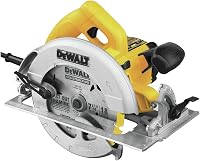
DeWalt DCS590B 20V MAX XR Brushless Circular Saw

Start with your battery platform, then compare the cut capacity and features you will use. A saw from a brand you already own may save you from building a second battery setup, but these models are sold without batteries and chargers.
The DCS590B is a 7-1/4 in DeWalt 20V MAX XR brushless saw. DeWalt gives its maximum depth as 2-9/16 in at 90° and 2 in at 45°.
The Milwaukee M18 Brushless is also a 7-1/4 in saw. Its described features include a rafter hook, dust port on the guard, LED light, and electric brake.
The DCS391B uses a 6-1/2 in blade, with a 5,150 RPM motor and 0–50° bevel capacity. It gives you a smaller blade option if that size and range cover your work.
How do the DeWalt and Milwaukee saws compare on capacity?
The DCS590B has the clearest stated cut-depth capacity, while both it and the Milwaukee use 7-1/4 in blades. Milwaukee's available product details do not provide a cut-depth figure for comparison.
DeWalt states that the DCS590B can cut up to 2-9/16 in deep at 90° and 2 in deep at 45°. It also has a 57° bevel capacity, with stops at 45° and 22.5°.
Those numbers help you judge whether a single pass can handle your material. They are maximums, so account for the blade, angle, and setup when planning a cut.
The Milwaukee's matching blade size makes it a direct alternative for buyers who want a 7-1/4 in saw. If a particular cut depth is essential, confirm the exact model's manual before you buy.
The DCS391B's 6-1/2 in blade makes it a different size class. Its 0–50° bevel range may be useful for angled cuts, but choose it only when its cutting capacity fits the material you expect to cut.
For a broader overview, see how deep a circular saw can cut. If you're still deciding between blade sizes, our guide to what size circular saw you need explains what to consider.
Which saw has features you'll notice on the job?
Choose Milwaukee for its rafter hook, dust port, and LED; choose the DCS590B for its stated output and electric brake. The DCS391B puts its emphasis on a magnesium shoe and rubber overmolded grip.
The DCS590B's brushless motor is rated up to 5,500 RPM no-load and up to 1,700 MWO. DeWalt also describes up to 368 cuts per charge, but actual results depend on the work and battery setup.
An electric brake is designed to stop the blade from coasting after you release the trigger. Follow the manual and wait for the blade to stop before setting the saw down.
Milwaukee's rafter hook can help keep the saw stored within reach between cuts. Its LED light is described as improving visibility, and the dust port is built into the guard.
The DCS391B has a high-strength magnesium shoe and a rubber overmolded comfort grip. Those features may appeal if you want the smaller DeWalt model and prefer its described grip and shoe design.
Does your battery platform make the choice?
Your current battery system is a practical first filter, but each saw here needs a compatible battery bought separately. Don't assume a battery from one brand will fit another brand's tool.
The DeWalt DCS590B and DCS391B use DeWalt 20V MAX batteries. The Milwaukee is an M18 model, so it belongs with Milwaukee's M18 platform.
If you already have compatible batteries and chargers, compare the bare-tool cost and the saw features you need. If you are starting fresh, consider the broader tool lineup you may want to use later.
See our corded vs cordless circular saw comparison if you're weighing battery convenience against corded power. It can help clarify whether a cordless model suits your work area and cutting routine.
Is the DCS590B worth choosing over the DCS391B?
Pick the DCS590B when you need a 7-1/4 in blade and its stated cut depth; choose the DCS391B when a 6-1/2 in blade and 0–50° bevel range fit your cuts. They serve different size needs within DeWalt's 20V lineup.
The DCS590B adds a brushless motor, electric brake, and stated maximum cut depths at 90° and 45°. DeWalt also describes a 57° bevel capacity with stops at 45° and 22.5°.
The DCS391B has a 5,150 RPM motor, magnesium shoe, and rubber overmolded grip. Its smaller blade can be easier to handle for some jobs, but your material thickness and cut angle should decide whether it is enough.
Read our DeWalt DCS590B review for a closer look at that model. The DCS391B review covers the smaller saw's features and intended fit.
Which DeWalt vs Milwaukee circular saw should you choose?
Choose DeWalt if its battery platform or stated cut capacity fits your work; choose Milwaukee if you use M18 and want its added jobsite features. The DCS391B is the DeWalt option to consider when a 6-1/2 in blade is enough.
The DCS590B is the clearest pick for published cut-depth figures and a 7-1/4 in blade. Milwaukee offers useful storage and visibility features, while the DCS391B gives you a smaller blade and a stated bevel range.
If your main question is whether you need a 6-1/2 in or 7-1/4 in saw, begin with the circular saw size guide. Then match the model to the cuts you make and the battery system you already use.
Our score weighs specs, features, and buyer feedback against what you're shopping for.
Frequently asked questions
Is DeWalt or Milwaukee better for a circular saw?
DeWalt fits you if you want the DCS590B's 7-1/4 in blade and published cut-depth figures, or the DCS391B's 6-1/2 in blade and 0–50° bevel range. Milwaukee suits M18 owners who value the rafter hook, dust port, LED light, and electric brake.
Start with your battery platform and common cuts.
Do the DeWalt DCS590B and Milwaukee saw use the same blade size?
Yes. The DCS590B and Milwaukee M18 Brushless both use a 7-1/4 in blade.
The DeWalt DCS391B is the smaller option at 6-1/2 in, so it may suit lighter tasks where that blade size meets your cut needs.
Which saw has a published cut-depth figure?
The DeWalt DCS590B has a stated maximum depth of 2-9/16 in at 90° and 2 in at 45°. Those figures are described as maximums, so check the exact cut setup and blade before planning a pass through thick stock.
Does the Milwaukee M18 saw include a battery?
The Milwaukee model is described as a bare saw, so plan around your M18 battery setup and confirm what comes in the package before ordering. The DeWalt DCS590B and DCS391B also specify that batteries and chargers are sold separately.
Should I choose a 6-1/2 in or 7-1/4 in circular saw?
Choose by the depth and angle of cuts you make, then confirm the saw can handle them. The DCS391B has a 6-1/2 in blade, while the other 2 saws here use 7-1/4 in blades.
See our guide to how deep a circular saw can cut for more context.