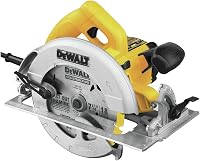
Left Blade vs Right Blade Circular Saw: Which Fits You? (November 2026)
Pick a left blade circular saw if you want to see the cut line with your dominant eye and throw dust away from your body. Pick a right blade saw if you are left-handed or cut in tight spots where the motor body needs to sit to the right of the blade.
On this page (7 sections)
- Left blade vs right blade circular saw: what actually changes?
- Left blade vs right blade circular saw: which side feels safer?
- How does blade side affect the way you follow a line?
- Which side suits which kind of cut?
- Which side suits which hands?
- Left blade vs right blade circular saw: which should you buy?
- Verdict
Pick a left blade circular saw if you want to see the cut line with your dominant eye and throw dust away from your body. Pick a right blade saw if you are left-handed or cutting in tight spots where the motor body needs to sit to the right of the blade.
The left blade vs right blade circular saw question is really a question about your hands, your sight lines and the dust that hits your face. The motor and shoe sit on the same side as the blade, so flipping the blade moves the weight and the sight line with it.
Both saws below cut wood. What separates them is where the blade sits relative to the handle and which side gets the dust.
Left blade vs right blade circular saw: what actually changes?
The blade position flips the sight line, the dust direction and the weight balance. The cut itself is the same; the operator's experience is not.
On a left blade saw, the blade sits to the left of the handle as you hold the tool. On a right blade saw, it sits to the right.
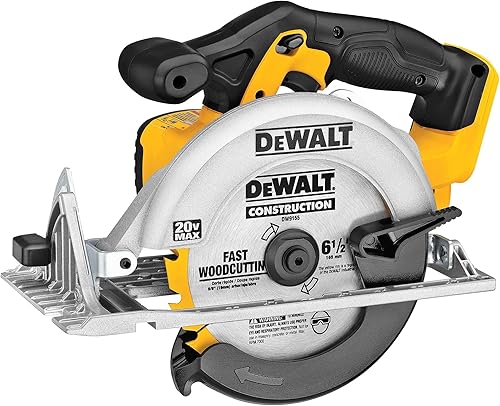
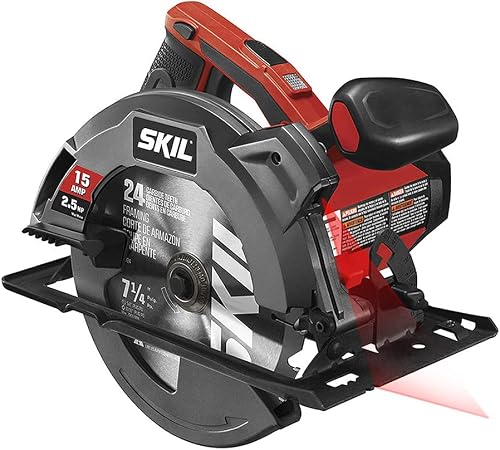
The DeWalt DCS391B is a right blade model with a 6-1/2 in blade and a 5,150 rpm motor. The Skil 5280-01 is a left blade corded saw with a 7-1/4 in blade, a 15 amp motor and a laser guide.
Neither layout is inherently stronger. The blade size and motor differ more than the side does.
Side matters for control and visibility.
Blade side and sight line
A left blade puts the cut line in front of a right-handed user without leaning over the tool. That is why many worm drive saws, which are popular with framers, place the blade on the left.
A right blade puts the line on the far side of the motor for a right-handed user. You can still see it, but the motor body and the handle partly block the view.
For left-handed users the logic flips. A right blade sits on the side of the dominant hand and keeps the line in view.
Blade side and dust
Dust exits the chute on the side away from the blade as the saw runs. A left blade typically throws dust to the right, away from a right-handed user.
A right blade typically throws dust to the left, across the user's face and arm. That is a real difference when you cut overhead or in an enclosed room.
Check the chute on the exact model you buy. The DeWalt and Skil differ in blade size and dust path, so the same rule won't match both.
Left blade vs right blade circular saw: which side feels safer?
Neither side is safer by design; the safer choice is the one that keeps your body clear of the blade and your view of the line clear. Safety comes from stance, grip and support, not from the blade side.
The blade guard covers the blade on both layouts. The shoe and handle decide how your hand sits relative to the cut.
On a left blade saw, the operator's right hand is on the handle and the blade is on the left. That keeps the dominant hand away from the cut line.
On a right blade saw, the operator's dominant hand sits over the same side as the blade. The guard still protects you, but the layout brings your hand closer to the cutting area.
Stance and support matter more than side
Set the workpiece so the offcut falls away from your body. Support both sides of the cut so the wood doesn't pinch the blade.
Hold the handle with one hand and the front knob with the other when the design allows it. Keep both hands behind the saw and clear of the blade path.
The saw's weight follows the blade side. A left blade can pull slightly left; a right blade can pull slightly right.
Plan your push so the shoe stays flat on the wood.
When a right blade feels safer
Some right-handed users prefer a right blade because the handle and motor sit under their dominant hand. That grip feels more direct on short, heavy cuts.
The DeWalt's rubber over molded comfort grip and light magnesium shoe give that direct feel on a compact battery saw. A 3.16 kg body is easy to control one-handed on quick crosscuts.
The Skil's corded body and larger blade suit longer straight cuts where the extra power matters more than light weight. Its dust blower keeps the line clear as you go.
How does blade side affect the way you follow a line?
A left blade makes it easier for right-handed users to follow a marked line, because the blade and the mark sit in the same field of view. A right blade asks you to sight past the motor body.
That sight line is why cabinet makers and finish carpenters often reach for a left blade saw. They want the edge of the blade sitting on the line without leaning around the tool.
A right blade still follows a line well when you sight along the shoe's edge. The shoe's left edge often lines up with the blade, so you can guide by the plate rather than the blade itself.
Which saws put the blade in view?
The Skil's single beam laser guide projects a line onto the wood, so the cut mark stays visible ahead of the blade. Its dust blower keeps the line free of sawdust.
The DeWalt has no laser, so you sight along the shoe's edge. Its keyless blade change lets you swap blades without a wrench, which matters when you move between rip and crosscut blades.
Neither feature changes the blade side. The laser and blower just help you see the line on a left blade saw.
Blade side and the offcut
The blade side decides which piece of wood the offcut falls toward. On a left blade saw, the blade sits on the left, so the offcut on that side drops away from a right-handed user.
That helps keep your hand clear and keeps the saw stable as the cut finishes. On a right blade saw, the offcut on the right can fall toward the operator's stance.
Set up the cut so the waste falls away from you on either saw. Then the blade side matters less for safety and more for comfort.
Which side suits which kind of cut?
Left blade saws suit long straight cuts and finish work; right blade saws suit tight spots and left-handed operators. The blade size and motor in each model decide the rest.
The DeWalt's 6-1/2 in blade and 5,150 rpm motor suit framing, decking and quick crosscuts on lumber. Its 0-50 degree bevel handles angled cuts for rafters and trim.
The Skil's 7-1/4 in blade and 15 amp motor give more blade depth for thicker stock. A 51 degree bevel with a positive stop at 45 degrees covers common angle cuts.
Long straight cuts
A left blade keeps the line in view on long runs. The Skil's laser and dust blower help there, and its corded motor holds speed through thick boards.
The DeWalt's battery power suits sites without an outlet. Its light shoe and grip help on repeated cuts, and the keyless change speeds blade swaps.
Tight spots and overhead work
A right blade can fit where the motor body needs to sit to the right of the cut. The compact DeWalt body suits cuts between joists and near walls.
The Skil's cord limits reach in tight spots. Its larger blade also needs more clearance, so check the space around the cut before you start.
Which side suits which hands?
Right-handed users usually prefer a left blade; left-handed users usually prefer a right blade. The rule is about which side the dominant hand sits on, not about which saw is better.
The blade side puts the motor and handle weight on the same side as the blade. Your dominant hand grips the handle, so the weight sits under that hand.
On a left blade saw, a right-handed user holds the handle on the right while the blade sits on the left. The dominant hand stays clear of the blade.
On a right blade saw, a left-handed user holds the handle on the right while the blade sits on the right. The same logic applies, mirrored.
Right-handed users and left blade saws
Many right-handed carpenters pick a left blade saw for the sight line. It lets them keep both eyes on the mark without leaning over the tool.
The Skil's laser guide adds a visible line on top of that. Its corded motor suits a shop where an outlet is close.
Left-handed users and right blade saws
Many left-handed users prefer a right blade saw because the blade sits on their dominant side. The DeWalt's compact body and light shoe make it easy to control.
That layout puts the dust on the opposite side from the face. It matters when you cut overhead or in a dusty room.
Left blade vs right blade circular saw: which should you buy?
Buy the DeWalt DCS391B if you are left-handed or want a compact right blade saw for tight spots. Buy the Skil 5280-01 if you are right-handed and want a left blade saw with a laser guide for straight cuts.
The left blade vs right blade circular saw choice comes down to your hands and your cut type. The DeWalt's light body and bevel range suit site work; the Skil's laser and corded power suit a shop.
Pick the DeWalt if...
The DeWalt suits left-handed users who want the blade on their dominant side. Its 5,150 rpm motor and 6-1/2 in blade handle framing and decking cuts.
The magnesium shoe keeps the saw light for its class, and the keyless blade change speeds swaps between rip and crosscut blades. The 0-50 degree bevel covers angled cuts.
The battery and charger are sold separately. Budget for them if you don't already own DeWalt 20V batteries.
Our DeWalt vs Milwaukee circular saw comparison covers the brand choice in more detail.
Pick the Skil if...
The Skil suits right-handed users who want a left blade saw for straight cuts. Its 15 amp motor and 7-1/4 in blade give more depth on thick stock.
The single beam laser guide marks the cut line and the dust blower keeps it clear. The 51 degree bevel with a 45 degree stop covers common angles.
The cord limits where you can work. Pick a battery saw if you need to cut away from an outlet.
Our corded vs cordless circular saw guide helps you weigh that trade-off.
Verdict
For most right-handed users, a left blade saw is the better fit because the line stays in view and the dust throws away from the face. For left-handed users and tight spots, a right blade saw is the better fit.
The Skil 5280-01 puts that left blade layout in a corded saw with a laser guide. The DeWalt DCS391B puts the right blade layout in a light battery saw with a wide bevel.
Check your dominant hand first, then your cut type. If you cut away from outlets and need a compact saw, the DeWalt fits.
If you work near power and want a clear line, the Skil fits.
If your work includes demolition or rough cutting, a circular saw vs reciprocating saw comparison helps you decide which tool to reach for. For repeated square crosscuts on trim, a circular saw vs chop saw guide shows when a miter saw earns its space.
Our score weighs specs, features and the buyer's needs against what the keyword's searcher wants. We compared the blade side, blade size, motor and guides for each model rather than running either saw.
Frequently asked questions
Why do worm drive saws have the blade on the left?
Worm drive saws put the blade on the left so the user can see the line while pushing the saw forward with the motor behind the blade. The long body also balances against the cut, which helps on long straight runs.
Which side does the dust chute throw sawdust?
On most saws the chute throws dust to the side opposite the blade on the operator's side. A left blade usually throws dust to the right, away from a right-handed user's face.
Check the chute direction on the exact model you plan to buy.
Does blade side change how a saw feels to control?
It can. The motor and handle weight sit on the blade side, so the saw pulls slightly toward that side.
Some users find a left blade easier to guide along a line, while others prefer the balance of a right blade in tight spaces.