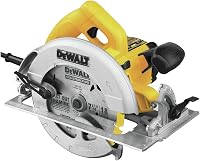
DeWalt vs Makita Cordless Circular Saw: Which Is Better? (November 2026)
Pick the DeWalt DCS391B for its 50 degree bevel range and lighter shoe; pick the Makita XSH03Z if you want brushless motor efficiency and longer runtime per charge. In this DeWalt vs Makita cordless circular saw comparison, the higher-scoring DeWalt takes the overall win for most buyers.
On this page (9 sections)
- DeWalt vs Makita cordless circular saw: which wins?
- How much bevel range do you need?
- Which motor design suits your work?
- How do the base and grip affect control?
- Which saw is easier to live with day to day?
- Who should buy the DeWalt?
- Who should buy the Makita?
- Cordless or corded: does it change the pick?
- Verdict: DeWalt vs Makita cordless circular saw
Pick the DeWalt DCS391B for its wider bevel range and lighter base; pick the Makita XSH03Z if you want brushless efficiency and longer runtime. In this DeWalt vs Makita cordless circular saw comparison, the DeWalt takes the overall win for most buyers on score and cut versatility.
Both saws take a 6-1/2 inch blade, both are sold as bare tools, and both target the same trim and framing work. The differences that decide the choice are the bevel range, the blade speed, the base material and the motor design.
We compared the specs and features of both saws to see which one suits which kind of work. This is a research comparison based on published specs and maker claims.
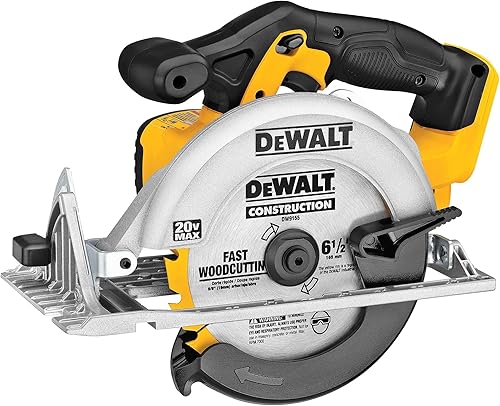

DeWalt vs Makita cordless circular saw: which wins?
The DeWalt DCS391B wins overall for most buyers. Its 0 to 50 degree bevel range gives it more angled-cut capability than the Makita, and its magnesium shoe keeps the base light without giving up durability.
The Makita XSH03Z is a close second. Its brushless motor and automatic speed change are real advantages for runtime, and Makita says the motor runs cooler and gives up to 50 percent more runtime per charge.
The table below puts the key specs side by side.
| Product | Best for | Blade size | Speed | Bevel | Our score |
|---|---|---|---|---|---|
| DeWalt DCS391B 20V MAX Circular Saw | overall | 6-1/2 in | 5,150 rpm | 0-50 degrees | 8.9 |
| Makita XSH03Z 6-1/2 Inch Brushless Circular Saw | long runtime | 6-1/2 in | 5,000 rpm | 8.5 |
The DeWalt's 5,150 rpm motor edges out the Makita's 5,000 rpm, but the gap is small. The more meaningful split is the bevel range and the motor type.
If you cut mostly square and shallow bevels, both saws do the job. If steep bevels are routine, the DeWalt's extra range is the deciding factor.
How much bevel range do you need?
If you cut bevels past 45 degrees, the DeWalt is the clear pick. Its bevel capacity runs from 0 to 50 degrees, so it can handle steep angled cuts that the Makita's narrower range won't reach.
The DeWalt's bevel range matters for trim work, roof framing and any job where you tilt the base plate well past square. A 50 degree range covers those cuts in one setup rather than forcing a workaround.
The Makita's bevel range is tighter. That's fine for square cuts and modest bevels, but steep angled work is where it falls short.
If most of your cuts are square, bevel range barely matters and you can weigh the motor advantages instead. If angled cuts are a regular part of your work, the DeWalt's extra degrees are worth more than a small speed difference.
Where the DeWalt's 50 degree bevel helps
The DeWalt's 0 to 50 degree range covers aggressive bevel cuts for a range of applications. That includes steep trim miters and angled cuts where a 45 degree stop wouldn't be enough.
The magnesium shoe on the DeWalt also plays into angled work. A lighter base is easier to control when you tilt the saw, and the high-strength magnesium is built for jobsite durability and long-term cut accuracy.
Where the Makita's tighter range shows
The Makita's narrower bevel range means steep angled cuts are outside its reach. For square cuts and everyday framing, this won't matter.
The trade-off is that the Makita puts its engineering into the motor rather than the bevel. If angled work is rare in your projects, that trade makes sense.
Which motor design suits your work?
Pick the Makita if runtime and motor life matter most; pick the DeWalt if you want the higher top speed. The Makita's brushless motor is the more efficient design, while the DeWalt's 5,150 rpm motor wins on raw speed.
The DeWalt's 5,150 rpm motor delivers power and speed for demanding cuts. The Makita's electronically controlled brushless motor delivers 5,000 rpm, just under the DeWalt.
The bigger difference is how the Makita manages that speed. Its automatic speed change adjusts cutting speed and torque during the cut to match the demand of the material.
What the Makita brushless motor offers
The Makita's brushless motor eliminates carbon brushes. That lets the motor run cooler and more efficiently, which Makita says extends its life.
Makita also says the electronically controlled motor optimizes battery energy use for up to 50 percent more runtime per charge. That's a maker claim, but it points to a real design difference: the motor matches torque and RPM to the changing demands of the cut.
The XSH03Z includes a 6-1/2 inch 24-tooth carbide blade. It's a bare tool, so the battery and charger are extra.
What the DeWalt motor offers
The DeWalt's 5,150 rpm motor is built to make demanding cuts with ease. Its speed edge over the Makita is modest, but it's the faster saw on paper.
The DeWalt's rubber over-molded comfort grip is designed for balance and control. A 6-1/2 inch carbide-tipped blade is included, and the saw ships without a battery or charger.
How do the base and grip affect control?
The DeWalt's magnesium shoe gives it the edge in weight and durability at the base plate. A lighter shoe is easier to guide along a cut line, and magnesium is strong for its weight.
The DeWalt's shoe is high strength and lightweight. That combination is meant to hold up to jobsite use while keeping long-term cut accuracy.
The Makita's handle is rubber, which helps with grip during cuts. Its base is the standard design for its class, without the magnesium emphasis of the DeWalt.
Neither difference is huge. But over a long day of cuts, a lighter base plate and a comfortable grip add up in control and fatigue.
When the DeWalt base matters more
The DeWalt's magnesium shoe matters most when you're making long straight cuts or repeated angled cuts. A light base is easier to keep on the line.
If you move the saw around a jobsite all day, the weight at the base matters too. Less weight at the plate means less strain on your wrist and arm.
When the Makita handle matters more
The Makita's rubber handle gives you a secure grip during cuts. That's useful in damp conditions or when your hands are tired.
The handle material alone won't change the cut, but grip does affect how steadily you guide the saw. If you value a sure hold over a lighter base, the Makita handle has the edge.
Which saw is easier to live with day to day?
Both are bare tools, so your existing battery platform matters more than the saw itself. If you already own DeWalt 20V MAX batteries, the DeWalt is the practical pick.
If you're on Makita 18V LXT, the Makita fits right in.
The DeWalt runs on 20V MAX batteries and needs one lithium-ion battery to operate. The Makita runs on 18V LXT lithium-ion batteries.
Neither includes a battery or charger.
That means the true cost depends on what you already own. Buying into a new platform adds the cost of batteries and a charger to the saw.
Battery platform as a deciding factor
If your shop already runs DeWalt 20V MAX tools, adding the DCS391B means one new bare tool and no new batteries. The same logic applies to Makita 18V LXT owners looking at the XSH03Z.
If you're starting fresh, weigh the whole platform, not just the saw. Batteries and chargers are the bigger long-term cost.
Our guide on the best cordless DeWalt circular saws covers the DeWalt options in more depth if you're leaning that way.
Blade changes and setup
The DeWalt has a keyless blade change, which speeds up swapping blades on the job. The Makita uses a more conventional blade change setup.
Both saws take 6-1/2 inch blades, so blade choice is shared between them. That makes it easy to run the same blade on either saw if you own both platforms.
Who should buy the DeWalt?
Buy the DeWalt DCS391B if you want the widest bevel range and the higher blade speed in a 6-1/2 inch cordless saw. It's the better fit for trim work, angled cuts and buyers already on the DeWalt 20V MAX platform.
The 50 degree bevel is the headline. If your work regularly pushes past 45 degrees, the DeWalt is the only one of the two that gets there.
The 5,150 rpm motor also gives it the speed edge. For demanding cuts, that extra RPM helps the blade move through the material.
The magnesium shoe keeps the base light and durable. If you value control and long-term accuracy at the base plate, that's a point in its favor.
Skip the DeWalt if you already own Makita batteries and don't need steep bevels. In that case the Makita's runtime advantage is the better trade.
Who should buy the Makita?
Buy the Makita XSH03Z if runtime and motor life matter more than bevel range, and you're already on the Makita 18V LXT platform. It's the better fit for long cutting sessions and buyers who value brushless efficiency.
The brushless motor runs cooler and is built for longer life. Makita's claim of up to 50 percent more runtime per charge is the reason to pick it for all-day work.
Automatic speed change matches torque and RPM to the cut. That helps in mixed materials, where the saw adjusts to what it's cutting.
The 24-tooth carbide blade included with the saw is a solid starting blade. If you already have Makita batteries, the bare tool is the cheapest way in.
Skip the Makita if steep bevels are a regular part of your work. The DeWalt's wider range covers cuts the Makita can't.
Cordless or corded: does it change the pick?
Cordless saws trade unlimited runtime for freedom from an outlet. If you work away from power or move around a lot, cordless is the right call.
If you cut heavy material all day in one spot, a corded saw may serve you better.
The DeWalt and Makita are both battery powered. They're built for trim, framing and jobsite work where dragging a cord is a hassle.
A corded saw brings more sustained power and no battery swaps. If your work is stationary and heavy, that matters.
Our corded vs cordless circular saw comparison covers that trade-off in detail.
For a typical mix of trim and framing, cordless is the practical choice. The question is which cordless saw, not whether to go cordless.
If you're also weighing brands, our DeWalt vs Milwaukee circular saw comparison covers the other big matchup. And if you're deciding between saw types for a job, our guide on the circular saw vs reciprocating saw helps you match the tool to the task.
Verdict: DeWalt vs Makita cordless circular saw
The DeWalt DCS391B is the better cordless circular saw for most buyers, and the Makita XSH03Z is the better pick for long runtime and brushless efficiency. Pick the DeWalt if you want a 50 degree bevel, a lighter magnesium shoe and the higher blade speed.
Pick the Makita if you're already on the Makita 18V LXT platform and want the motor that runs cooler and lasts longer.
The DeWalt's 8.9 score reflects its wider bevel range, higher RPM and lighter base. The Makita's 8.5 reflects its brushless motor and runtime edge, offset by the tighter bevel range.
If you cut square and shallow bevels most of the time, the Makita's efficiency is a real advantage. If steep bevels are routine, the DeWalt's extra range is worth more than the runtime gain.
Either way, decide by your battery platform first. A great saw on the wrong platform costs more than it saves.
Once you know which batteries you'll run, the DeWalt vs Makita cordless circular saw choice comes down to whether you need bevel range or runtime more.
Frequently asked questions
Do these saws come with a battery?
No. Both the DeWalt DCS391B and the Makita XSH03Z are sold as bare tools, so you need to buy a compatible battery and charger separately.
That adds to the cost if you aren't already on the DeWalt 20V MAX or Makita 18V LXT platform.
What blade size do the DeWalt and Makita cordless saws use?
Both take a 6-1/2 inch blade. The DeWalt DCS391B ships as a bare tool with a 6-1/2 inch carbide-tipped blade, while the Makita XSH03Z includes a 6-1/2 inch 24-tooth carbide blade.
Can you cut 2x lumber with a 6-1/2 inch circular saw?
Yes, a 6-1/2 inch saw can cut standard 2x lumber, though it won't match the depth of a full-size 7-1/4 inch saw. For thick stacked material or deep rip cuts, a larger blade gives you more reach in one pass.
Which saw is better for bevel cuts?
The DeWalt DCS391B, because its bevel capacity runs from 0 to 50 degrees. The Makita XSH03Z covers a narrower range, so it's the weaker choice if steep angled cuts are a big part of your work.
Should I pick the Makita for all-day jobsite use?
The Makita's brushless motor and automatic speed change point that way, since Makita says it delivers up to 50 percent more runtime per charge. If runtime is your top priority and you already own Makita 18V LXT batteries, it's a sensible pick.