DeWalt 20V vs 60V Circular Saws: Which to Buy? (November 2026)
Pick the 60V FLEXVOLT for thick stock, deep bevels and near-corded power; pick the 20V for everyday framing and trim on a battery you already own. The dewalt circular saw 20v vs 60v question comes down to cut depth and blade size more than to voltage alone.
On this page (8 sections)
- DeWalt 20V vs 60V circular saws side by side
- Blade size and cut depth decide most jobs
- Bevel range and the brake change safety
- Power, speed and what the voltage means
- Battery platform and the real cost of each choice
- Weight and handling on the job
- Who should buy which DeWalt saw?
- Verdict: which DeWalt circular saw wins?
Pick the 60V FLEXVOLT for thick stock, deep bevels and near-corded power; pick the 20V for everyday framing and trim on a battery you already own. The dewalt circular saw 20v vs 60v question comes down to cut depth and blade size more than to voltage alone.
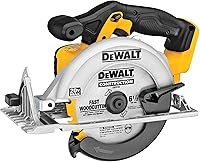
The 20V DCS391B runs a 6-1/2 inch blade and sits in the widest DeWalt battery platform. The 60V DCS578B takes a 7-1/4 inch blade, cuts 2-9/16 inches deep at 90° and adds an electric brake.
Those differences decide most jobs before the voltage number does.
This comparison looks at what each saw is built to do. It also covers the 20V ATOMIC 4-1/2 inch saw, which shows how far the smaller platform can stretch.
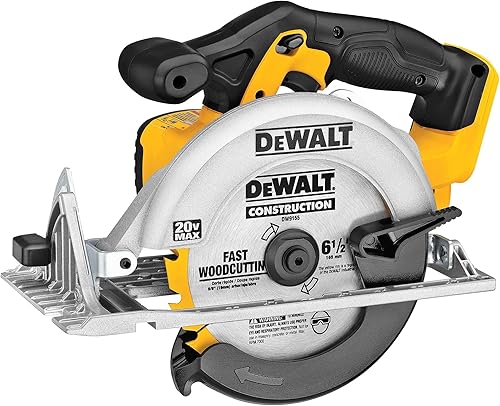
 Best for deep cuts and heavy stock
DeWalt DCS578B FLEXVOLT Circular Saw
DeWalt 20V vs 60V circular saws side by side
The 60V saw is the bigger, stronger cutter; the 20V is the lighter one that runs on batteries you already own. The table below puts the main numbers next to each other.
| Spec | DCS391B 20V MAX | DCS578B FLEXVOLT 60V |
|---|---|---|
| Blade size | 6-1/2 in | 7-1/4 in |
| Motor speed | 5,150 rpm | 5,800 rpm |
| Cut depth at 90° | Not given here | 2-9/16 in |
| Bevel range | 0-50° | 0-57° with stops at 22.5° and 45° |
| Electric brake | No | Yes |
| Battery platform | 20V MAX | 60V MAX FLEXVOLT |
| Shoe material | Magnesium | Not given here |
| Extra features | Keyless blade change | LED light, rafter hook |
The blade size gap looks small on paper. In use, it changes what each saw can do in a single pass through thick lumber.
The 20V saw's 6-1/2 inch blade and 5,150 rpm motor make it a general-purpose cutter. The 60V's 7-1/4 inch blade and 5,800 rpm motor put it closer to a corded saw.
Battery and charger are sold separately on both tools. That matters more for the 60V saw, since FLEXVOLT packs cost more than the 20V MAX ones most home shops already own.
What the same blade size does on each platform
Both saws are full-size sidewinders, so the grip and general layout feel familiar. The 20V DCS391B uses a magnesium shoe, which DeWalt says adds strength while keeping weight down for long-term cut accuracy.
The DCS578B's shoe material isn't part of the data here. What it does add is an integrated LED for visibility and a rafter hook for hanging the saw between cuts.
That hook is a small feature with real value on a framing site. You clip the saw to a rafter instead of setting it on the floor or balancing it on lumber.
The 20V saw leans on its keyless blade change instead. You swap blades without hunting for a wrench, which helps when you move between framing and finish cuts.
Blade size and cut depth decide most jobs
If your work goes past about 2 inches of solid material, the 60V saw's 7-1/4 inch blade is the safer choice. A 6-1/2 inch blade simply runs out of reach sooner in thick stock.
DeWalt lists a 2-9/16 inch maximum cut depth at 90° for the DCS578B. That clears a 2x4 on edge and most 2x material in a single pass.
It also covers thicker built-up stock that a 6-1/2 inch blade can't reach in one cut.
The DCS391B's depth isn't part of the data here. As a general guide, a 6-1/2 inch blade saw is built for framing lumber and sheet goods, and the blade size sets its ceiling.
When your cuts need more than that, the 60V saw is the tool for the job.
Depth matters most on these jobs:
- Cutting 2x10 or 2x12 joists and beams.
- Trimming thick posts or built-up headers.
- Slicing deeper material where flipping the saw over costs time.
For sheet goods and standard framing, the 20V saw's 6-1/2 inch blade is enough. Plywood, OSB and 2x4 cuts don't need the extra reach.
Our DeWalt DCS391B review covers how that blade size plays out on typical home projects.
Bevel range and the brake change safety
The 60V saw gives you more bevel angles and an electric brake; the 20V gives you a simpler 0-50° range. That gap matters when your plans include steep angles or repeated stop-and-start cutting.
The DCS578B bevels from 0 to 57° with stops at 22.5° and 45°. The stops let you lock in the two most common angles quickly, so a 45° cut doesn't need a protractor each time.
The DCS391B covers 0-50°, which handles most trim, decking and framing angles. DeWalt says that range allows aggressive bevel cuts for a wide set of applications.
If your work tops out at 45°, both saws cover it.
The bigger difference is the brake. The DCS578B has an electric brake that stops the blade after you release the trigger.
For a saw used on ladders or in tight cuts, a faster stop is a real safety benefit.
The DCS391B doesn't list a brake in its features. That doesn't make it unsafe, but it does mean the blade coasts to a stop after each cut.
On a job with many short cuts, the 60V saw's brake saves time and adds control.
What bevel stops do in practice
A bevel stop is a preset notch that catches the shoe at a set angle. You loosen the bevel lever, tilt the shoe until it seats in the stop, then tighten.
Without stops, you read the scale and tighten at the right mark. That's fine for occasional angled cuts.
For repeated 45° cuts on a deck or stair stringer, the stop removes a step and a chance for error.
The 20V saw still makes accurate bevel cuts. It just asks you to set the angle from the scale each time.
If your work is mostly square cuts with the odd bevel, that's no real burden.
Power, speed and what the voltage means
The 60V platform delivers more cutting power and speed; the 20V platform delivers enough for most home and job-site cuts. Voltage alone doesn't tell you how a saw performs, but it sets the ceiling.
DeWalt says the DCS578B has up to 47% more power than the DCS575 and 2,456 unit watts out. It also runs at 5,800 rpm against 5,150 rpm for the DCS391B.
Those numbers describe a saw built for fast, heavy cuts in dense material.
The 20V DCS391B's 5,150 rpm motor is no slouch. DeWalt says it delivers power and speed for demanding cuts with ease.
In softwood and sheet goods, the two saws will feel closer than the voltage gap suggests.
Power shows up most in three places:
- Wet or dense lumber. A stronger motor keeps the blade spinning instead of bogging down.
- Long rips. Sustained cuts ask more of the motor than crosscuts.
- Bevel cuts in thick stock. A steeper bevel puts more blade in the material at once.
If your work is mostly 2x4 framing, plywood and trim, the 20V saw has the power. If you cut thick hardwood, engineered lumber or long bevels all day, the 60V saw earns its keep.
Our DeWalt vs Milwaukee circular saw comparison shows how these DeWalt numbers stack up against a rival line if you're still deciding on a brand.
Battery platform and the real cost of each choice
The 20V saw wins on battery compatibility; the 60V saw wins on raw capability but needs its own packs. That's the hidden cost in the dewalt circular saw 20v vs 60v decision.
The DCS391B runs on the 20V MAX platform. That's the same battery family DeWalt uses across its drills, impact drivers, recip saws and the ATOMIC line.
If you already own 20V MAX tools, the saw is a bare tool away from being ready to cut.
The DCS578B needs FLEXVOLT 60V MAX batteries. Those packs are a separate buy unless you already run FLEXVOLT tools.
Neither saw includes a battery or charger, so both start as tool-only purchases.
Here's how the platforms differ in practice:
- 20V MAX covers a huge range of tools and is the cheaper entry point. Packs are common and easy to find.
- 60V FLEXVOLT is the high-power line. It's built for saws, grinders and other tools that draw more current.
If you're starting fresh with no DeWalt batteries, the 60V saw's total cost climbs faster. If you already own FLEXVOLT packs, the 60V saw's advantage is easier to justify.
If you own 20V MAX packs, the DCS391B is the natural first circular saw.
The 20V platform also stretches into smaller saws. The ATOMIC DCS571B 4-1/2 inch saw runs on the same 20V MAX batteries and handles light trim work in tight spots.
That's a third option if you want one battery family to cover several saws.
When the FLEXVOLT packs pay for themselves
FLEXVOLT batteries earn their price when you use the power. A 60V saw cutting thick stock all day will make better use of the pack than one making occasional cuts.
On a home project, the 60V saw's extra power rarely shows. On a framing crew or a deck build with repeated deep cuts, it does.
Think about your next 2 or 3 projects, not just this week's job. If thick lumber and deep bevels keep showing up, the FLEXVOLT platform is the one to build on.
Weight and handling on the job
The 20V saw is the lighter, easier tool to carry and control; the 60V saw trades some of that for its bigger blade and brake. Handling matters most when you're on a ladder or cutting overhead.
The DCS391B weighs 3.16 kg, which is about 7 pounds. DeWalt pairs that with an optimized rubber over molded grip for balance and control.
The result is a full-size saw that's easy to guide with one hand on flat work.
The DCS578B weighs 8.2 pounds. That extra weight comes with the larger blade, the brake and the bigger motor.
It's still a cordless saw, but it sits closer to a corded tool in heft.
On the ground, the difference is small. On a roof or a ladder, the lighter 20V saw is easier to hold steady.
The 60V saw's rafter hook helps there, since you can hang it between cuts instead of holding it.
The 20V saw's keyless blade change also helps on the job. You can swap between a framing blade and a finish blade without a wrench.
The 60V saw's blade change setup isn't part of the data here.
How each saw fits a workflow
The DCS391B suits a workflow built around one battery family. Grab a pack, cut framing, switch to a finish blade and keep going.
The DCS578B suits a workflow where the saw is the main tool. The brake, the LED and the rafter hook all point to all-day cutting on a site.
Neither saw is a trim saw. For fine cabinet or finish work, a smaller saw like the ATOMIC DCS571B is the better fit.
Our circular saw vs reciprocating saw guide covers when a circular saw isn't the right tool at all.
Who should buy which DeWalt saw?
Buy the 20V DCS391B if you already own 20V MAX batteries and cut framing, decking and sheet goods. Buy the 60V DCS578B if you cut thick stock, need deep bevels or want brake safety.
Each saw is the better pick for a different buyer.
The 20V saw is the default for most home shops and remodelers. It covers the cuts that fill a typical project list, and it slots into the batteries you already have.
That makes it the lower-cost way into a full-size cordless circular saw.
The 60V saw is for buyers who keep hitting the limits of a 6-1/2 inch blade. If your cuts run deep, your bevels run steep or your material runs dense, the extra blade size and brake are worth the platform cost.
Our DeWalt vs Bosch circular saw comparison can help if you're weighing the 60V saw against another brand's full-size model.
Pick by the cut, not by the voltage number. A 20V saw that covers your work is the better buy than a 60V saw you rarely push.
Quick decision guide
- Framing, decking, plywood and trim, already on 20V MAX: DCS391B.
- Thick beams, deep bevels, all-day site cutting: DCS578B.
- Light trim and tight spots on 20V MAX: ATOMIC DCS571B.
Verdict: which DeWalt circular saw wins?
The 20V DCS391B wins for most readers because it covers everyday cutting on batteries you likely already own. The 60V DCS578B wins when thick stock and brake safety matter more than platform cost.
That's the short answer to the dewalt circular saw 20v vs 60v choice.
The 20V saw's 6-1/2 inch blade, 0-50° bevel and 20V MAX compatibility make it the practical first saw. It handles the framing, sheet goods and trim that fill most projects.
The 60V saw's 7-1/4 inch blade, 2-9/16 inch cut depth, 0-57° bevel and electric brake make it the stronger cutter. It's the saw to buy when your work keeps running past what a 6-1/2 inch blade can do.
Start with the DCS391B if you're already on 20V MAX. Step up to the DCS578B when deep cuts or brake safety become the deciding factor.
For light trim work in tight spots, the ATOMIC DCS571B rounds out the 20V line without adding a new battery platform.
Frequently asked questions
Is a 60V DeWalt circular saw stronger than a 20V one?
Yes. DeWalt says the DCS578B FLEXVOLT saw has up to 47% more power than the older DCS575 and 2,456 unit watts out.
The 20V DCS391B is the lighter, simpler saw, so the 60V is the stronger cutter for thick or dense material.
Can a 20V MAX battery run the 60V FLEXVOLT saw?
No. The DCS578B is built for DEWALT FLEXVOLT 60V MAX batteries.
The 20V MAX packs from the DCS391B or the ATOMIC line don't power it, so budget for the FLEXVOLT platform if you pick the 60V saw.
How deep will each saw cut at 90 degrees?
DeWalt gives 2-9/16 inches for the DCS578B FLEXVOLT at 90°. The DCS391B runs a 6-1/2 inch blade on a 20V MAX pack, so its depth is smaller.
Check the exact depth in the saw's own specs before cutting thick posts or beams.
Which DeWalt circular saw is better for a beginner?
The DCS391B 20V MAX is the easier first saw. It uses batteries you likely already own, its 0-50° bevel covers most home cuts, and the 6-1/2 inch blade handles framing and trim.
Move to the 60V only when thick stock or brake safety matters more.
Do either of these saws come with a battery?
Neither ships with a battery or charger. The DCS391B and the DCS578B are both tool-only, so the total depends on which batteries and charger you already have or need to buy for the platform.